

"How to Find Happiness in the Far East: The Jewish Autonomous Region through the Lens of Soviet Filmmakers"
A lecture by Svetlana Pakhomova – a research fellow at our Museum and a specialist in Jewish cinema
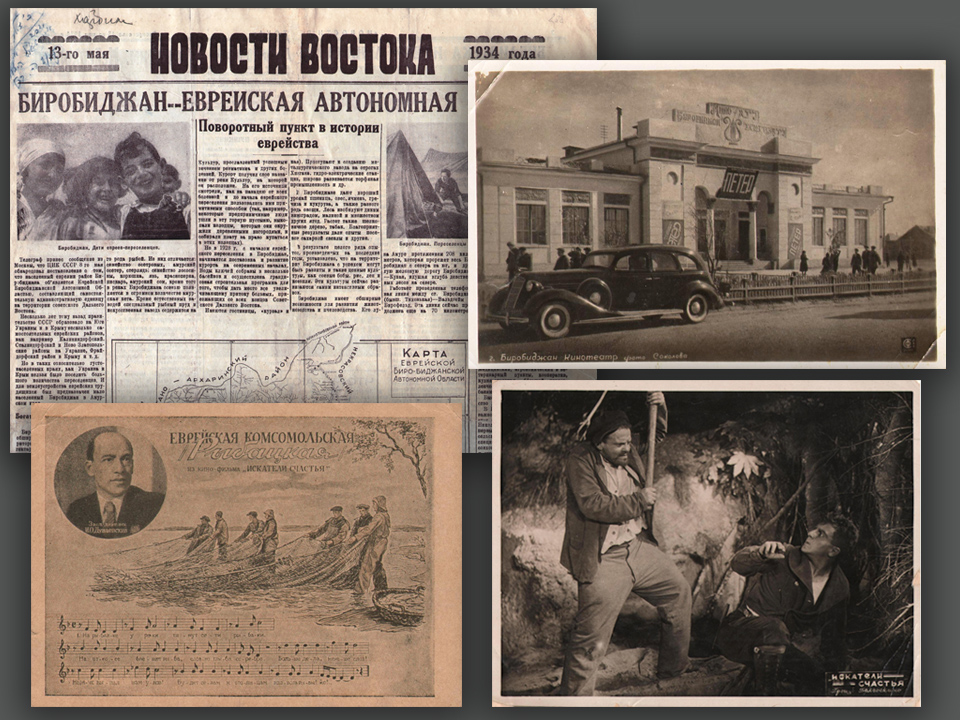
In 1934, a new geographical entity appeared on the map of the USSR: the Jewish Autonomous Region, with its capital in Birobidzhan. This remote region – located within the borders of present-day Russia – was, and remains, one of the most challenging places to develop and settle. Fully aware that attempts to steer the Jewish population there, if based solely on vague, impersonal enthusiasm, were doomed to failure, the authorities enlisted various art forms – including the youngest of them all, cinema – to serve their propaganda efforts.
In 1936, the film “Seekers of Happiness” was released, featuring prominent figures from the world of Jewish culture: the score was composed by the renowned Isaak Dunayevsky, and the lead role was played by Benjamin Zuskin, a principal actor of the State Jewish Theater. The genre – quintessentially "uplifting" – was comedy. While it is impossible to say with certainty how many settlers were drawn to this inhospitable land by this example of what Lenin called "the most important of all the arts for us," the impact of such campaigns, which were taking place across the country throughout the 1930s, is undeniable.
On Friday, the 30th of October, Svetlana Pakhomova will discuss how the image of Birobidzhan was constructed through the medium of cinema. The lecture will take place at the Library for Foreign Literature at 7:00 p.m. as part of the "Humanitarium" festival.
Admission is free, but advance booking is required.
For full details,consult: https://libfl.ru/ru/event/lekciya-kak-nayti-schaste-na-dalnem-vostoke