


Congratulation to the holiday

Happy new year!

from 09-09-2026

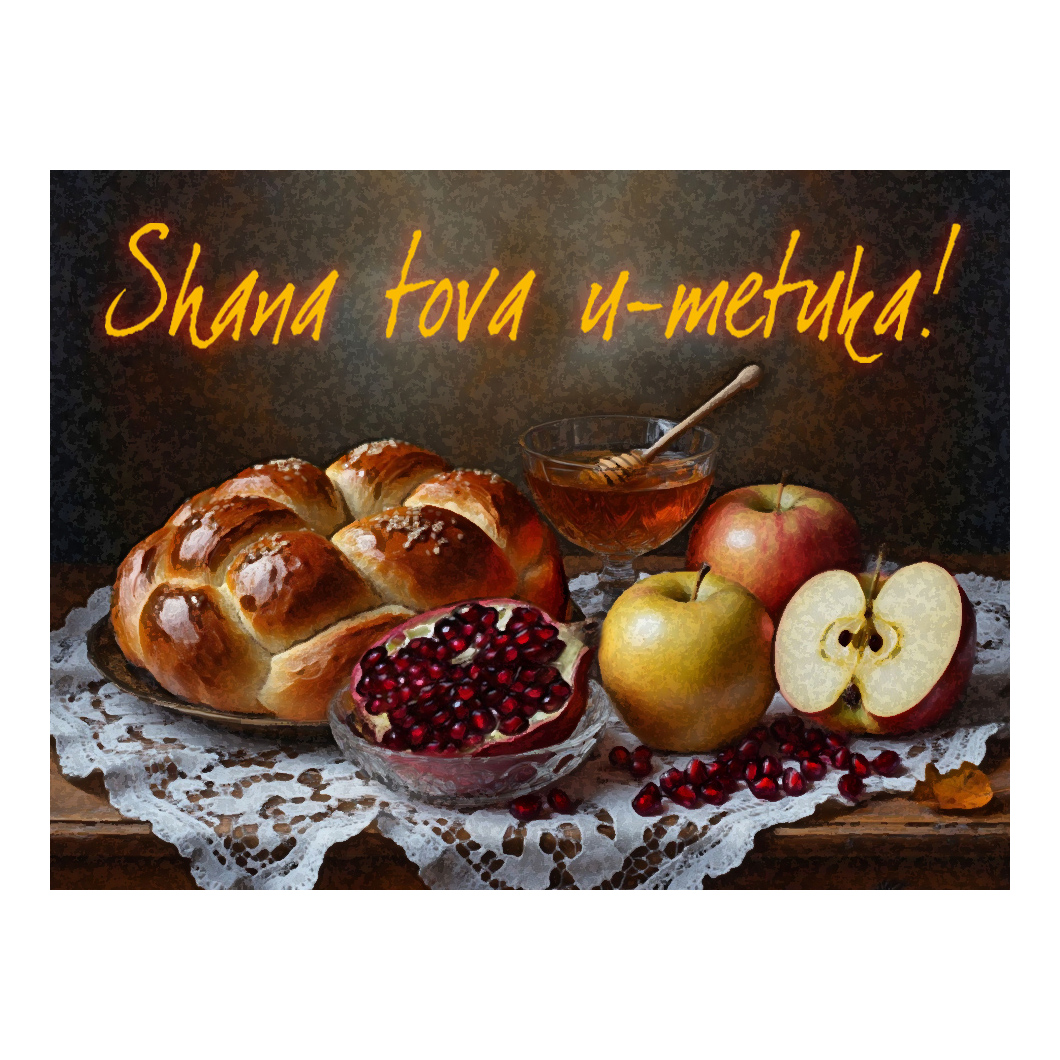
On September,12, Jews celebrate the beginning of the new year, 5787!

… and according to tradition, bake challah. Challah is a Jewish rich yeast-leavened bread. No Shabbat or holiday dinner is complete without a challah. Originally, challah referred to a piece of dough set aside for the benefit of the Kohanim, the priests of the Temple in Jerusalem. In modern Judaism, challah commemorates the miraculous heavenly manna that the Jews ate during their forty-year wandering in the desert after the Exodus from Egypt.
There are many challah recipes and preparation methods, but a challah typically resembles a thick braid. The number of strands in this braid, as well as the ingredients, may vary depending on local tradition and the upcoming holiday. Challah for Rosh Hashanah, the Jewish New Year, has a different, round shape, sometimes with the addition of raisins. This challah symbolizes the continuity of the annual cycle and the hope for a good and sweet year. And we wish the same for you!
new Exhibit

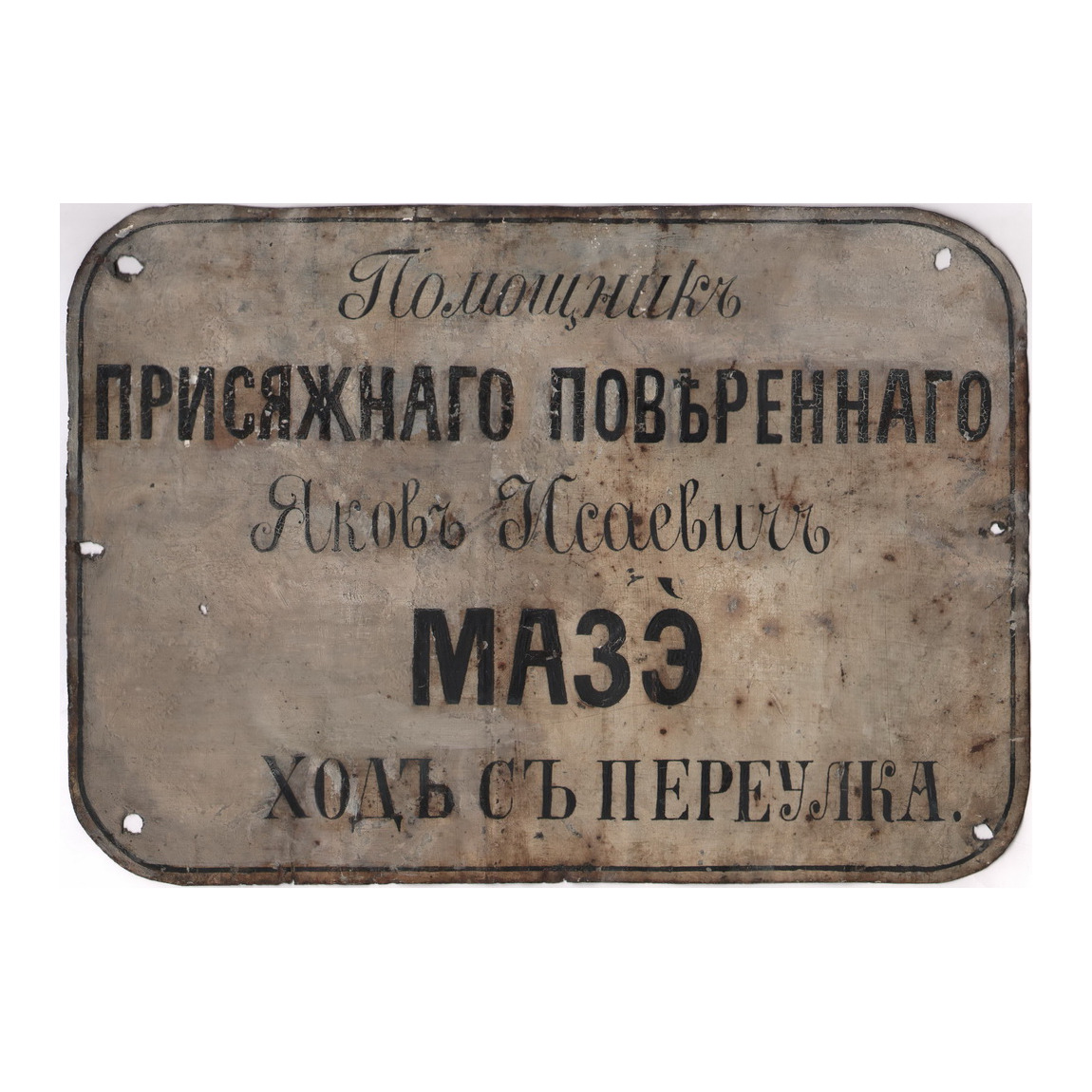
Assistant attorney receives clients at the given address

from 19-03-2026

The items in the permanent exhibition of the Museum of Jewish History in Russia represent only a small portion of our collection and undergo a careful selection process. But this time it didn’t involve any hesitation, as the new exhibit directly relates to the Jewish community of Moscow, our hometown. Entering the museum hall, specially dedicated to this topic, visitors immediately are usually struck by an expressive portrait of the patriarch of Moscow Jewry – Chief Rabbi Yaakov Mazeh.
The plaque bearing the inscription "Assistant Attorney Yaakov Isaevich Maze" is not only a biographical detail from the life of a great man, but also an important testimony to the Jewish life beyond the Pale of Settlement. Yaakov Maze was born in Mogilev, into a religious family with ties to both the Lubavitch Hasidim and their opponents. This environment provided the boy with a very solid Jewish education, but in the second half of the 19th century this did no longer suffice for many young men. Read more...

1/2